
Why Atlanta Buyers Are Moving East to Monroe and Covington
If Atlanta home prices and tighter lot lines have you wondering whether you need to look farther out, you are not alone. Many buyers are weighing a familiar tradeoff: stay closer to the city, or move east for more space and a lower price point. Monroe and Covington keep coming up for a reason, and understanding why can help you decide what fits your next move. Let’s dive in.
Monroe and Covington sit roughly 35 to 40 miles east of Atlanta, which puts them within the metro area while offering a very different day-to-day feel. According to official city materials, Monroe is about 40 miles east of Atlanta along US 78, and Covington is also commonly placed about 35 to 40 miles east of the city.
That distance matters because it creates a middle ground. You can stay connected to Atlanta for work, shopping, or entertainment while exploring communities that are much smaller in scale. Atlanta’s 2024 population estimate was 520,070, compared with 16,270 in Monroe and 15,302 in Covington, based on U.S. Census data and local planning documents.
For many buyers, the first reason to look at Monroe and Covington is cost. The public market data in the research show a meaningful gap between Atlanta and these east-metro communities, which makes them appealing if you want to stretch your budget further.
The same research indicates Atlanta’s median sale price was higher than both Monroe and Covington in early 2026. In practical terms, that can mean a better chance at finding a single-family home with more interior space, a yard, or a newer layout without pushing as far past your budget ceiling.
Census housing-value estimates also support this pattern. The U.S. Census QuickFacts data lists the median value of owner-occupied homes at $439,600 in Atlanta, compared with $259,300 in Monroe and $301,900 in Covington.
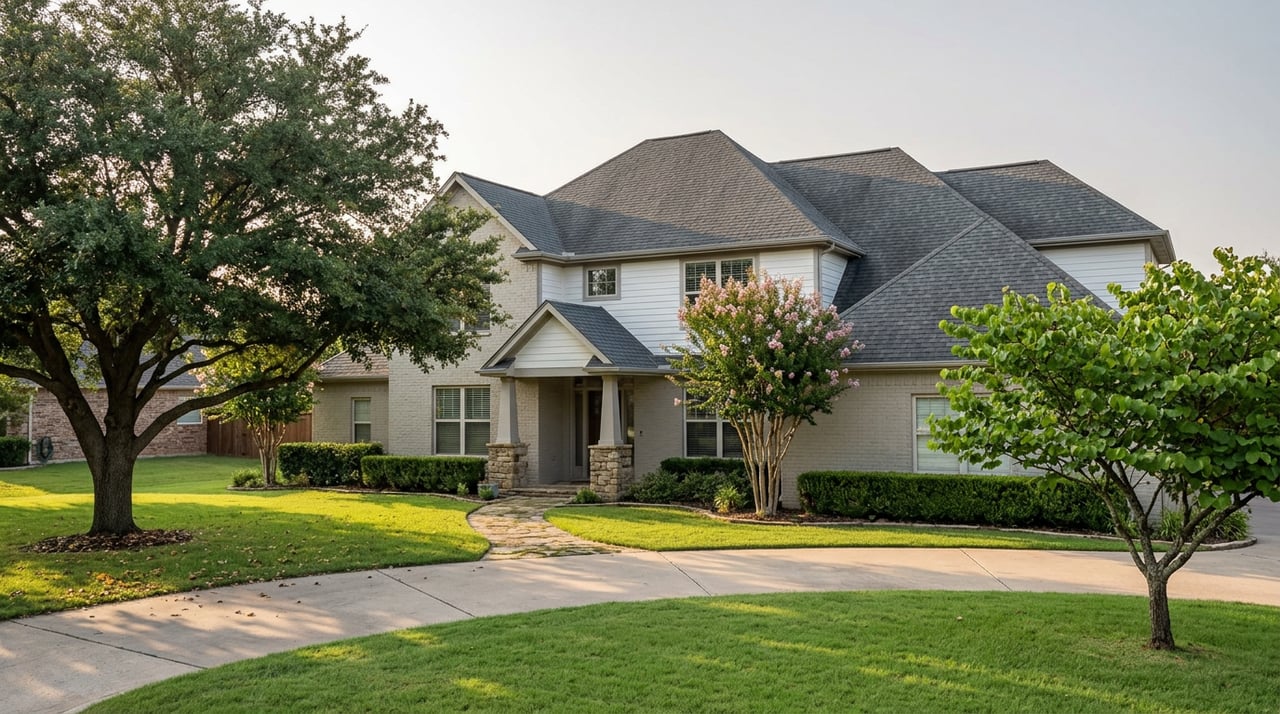
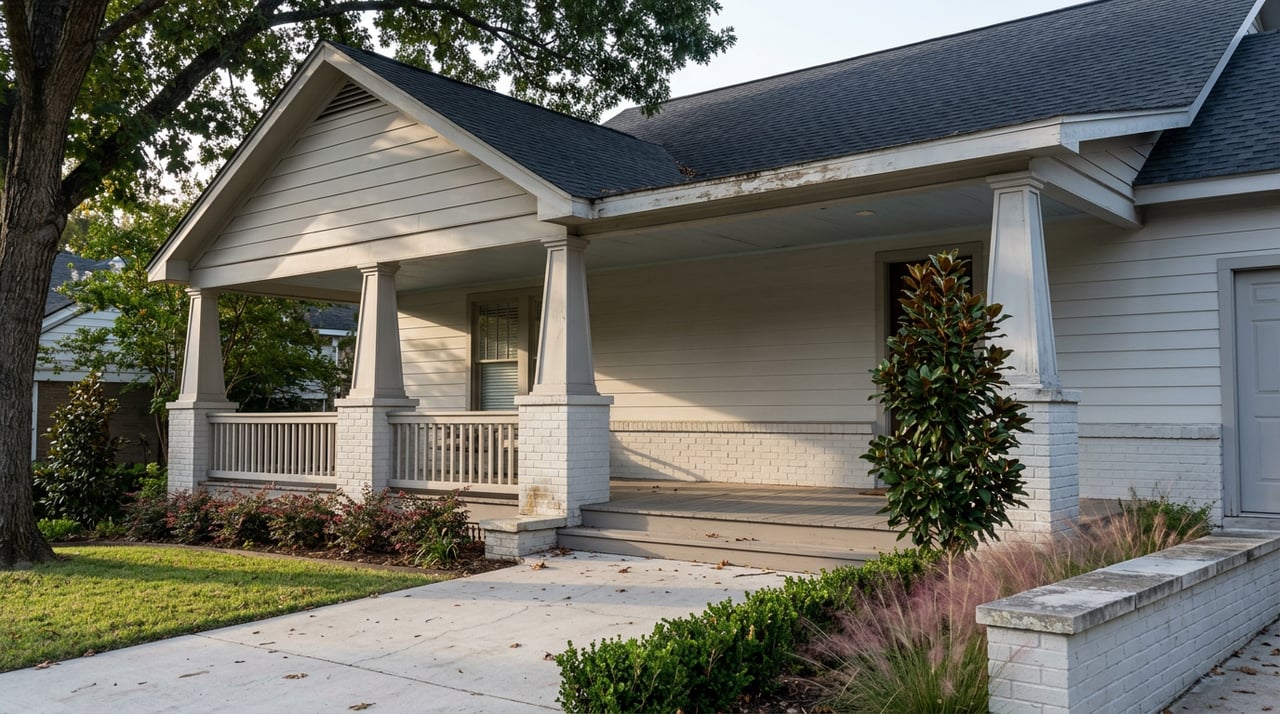
Price is only part of the story. Buyers are also drawn to the feeling of having more breathing room, especially if your wish list includes a detached home, driveway space, or a neighborhood setting that feels less dense.
Population density helps explain that difference. The same Census QuickFacts report shows Atlanta at 3,685.7 people per square mile, while Monroe is 952.2 and Covington is 904.1.
That does not measure exact lot sizes, but it does point toward a more spread-out housing environment. If you have been searching in Atlanta and feeling like homes are closer together than you want, Monroe and Covington may align better with your priorities.
The biggest question is usually simple: is the drive worth it? For some buyers, the answer is yes because the space-for-cost tradeoff is strong enough to outweigh extra time on the road.
The Census commute data shows a mean travel time to work of 26.5 minutes in Atlanta city. That compares with 34.4 minutes in Walton County, 35.9 minutes in Newton County, and 36.5 minutes in Covington.
That means you may be choosing a longer commute in exchange for a lower purchase price, more square footage potential, and a smaller-city setting. For many move-up buyers, that is not a drawback so much as a conscious lifestyle decision.
Monroe stands out for buyers who want a community with a visible local identity. The city describes downtown Monroe as a place for historic sites, shopping, dining, and strolling, which gives the area more character than a place built only around commuting.
Monroe also highlights a strong downtown shopping presence. According to the city’s community page, Monroe is known as the Antiques Capital of Georgia, with more than 250,000 square feet of antique shopping.
The city has also invested in public gathering spaces. The Monroe Town Green is a 1.67-acre urban-style park with a splash pad and event space, and it was recognized by the Georgia Downtown Association as the Best Placemaking Project for 2024.
For everyday livability, parks matter too. Childers Park includes nearly a mile of walking trails, a dog park, and natural play features, which adds to Monroe’s appeal if you want options for time outdoors close to home.
Covington has its own draw, and it feels a little different from Monroe. If Monroe leans into an intimate downtown feel, Covington offers a historic square paired with a busy public events calendar and a visible growth story.
The city’s official event calendar includes recurring events like the Covington Farmers Market, First Friday Concerts on the Square, and seasonal community programming. That kind of regular activity can make a city feel connected and active throughout the year.
Covington also has a strong identity tied to its historic downtown. The city notes that the square has served as a filming location for several television dramas, which adds another layer to its public image and helps it stand out among east-metro options.
On the economic side, the city’s FY24 Budget in Brief points to ongoing residential and commercial demand, along with major investment activity in Newton County. The same document references Archer’s arrival at the municipal airport with a stated 1,000 jobs in Covington.
If you are trying to buy in an area with long-term momentum, both communities have data that support the growth conversation. That matters because buyers often want to see signs of investment, infrastructure planning, and continued housing demand.
In Newton County, the Census QuickFacts profile shows the population rising to 124,010 in 2024 from 112,483 in 2020. The same source reports total employment growth of 10.0% from 2022 to 2023.
Walton County is growing too. Research cited from local sources notes that Walton County’s population climbed to 109,792 in 2024 from 96,673 in 2020, reinforcing the idea that Monroe is part of a broader eastward growth pattern.
For buyers, this can translate into more housing options, continued community investment, and stronger interest in areas outside Atlanta’s core. It does not mean every neighborhood or property will perform the same way, but it does help explain why more attention is moving east.
Monroe and Covington share some key advantages: lower home values than Atlanta, less density, and a smaller-scale setting that still feels connected to metro Atlanta. Where they differ is in the kind of experience they offer once you get there.
Monroe may appeal more if you want a community with a historic downtown identity, local parks, and a quieter, intimate feel. Covington may stand out if you want a lively event calendar, a recognizable town square, and a growth story tied to both community activity and local economic momentum.
The right choice depends on how you rank your priorities. If your list includes more home for the money, room to spread out, and a community feel that differs from Atlanta’s pace, both are worth a closer look.
Looking to Monroe or Covington does not mean you are giving something up without getting anything back. In many cases, you are making a strategic trade: a longer commute for a lower price point, more space, and a community setting that may feel like a better fit for your next chapter.
That is especially true if you are moving up from a smaller home, shopping for new construction opportunities in outer-Atlanta suburbs, or simply trying to make your budget work harder. Buyers are not just leaving Atlanta behind. They are expanding their options.
If you want help comparing Monroe, Covington, and other east-metro communities, connect with Platinum Key Realty of Georgia. Our team brings local insight, hands-on guidance, and a community-first approach to help you find the right fit with confidence.







We pledge to be in constant communication with our clients, keeping them fully informed throughout the entire buying or selling process. We believe that if you’re not left with an amazing experience, we haven’t done our job. We don’t measure success through achievements or awards, but through the satisfaction of our clients.

Platinum Key Realty of Georgia
1677 Highway 78 Monroe GA 30655