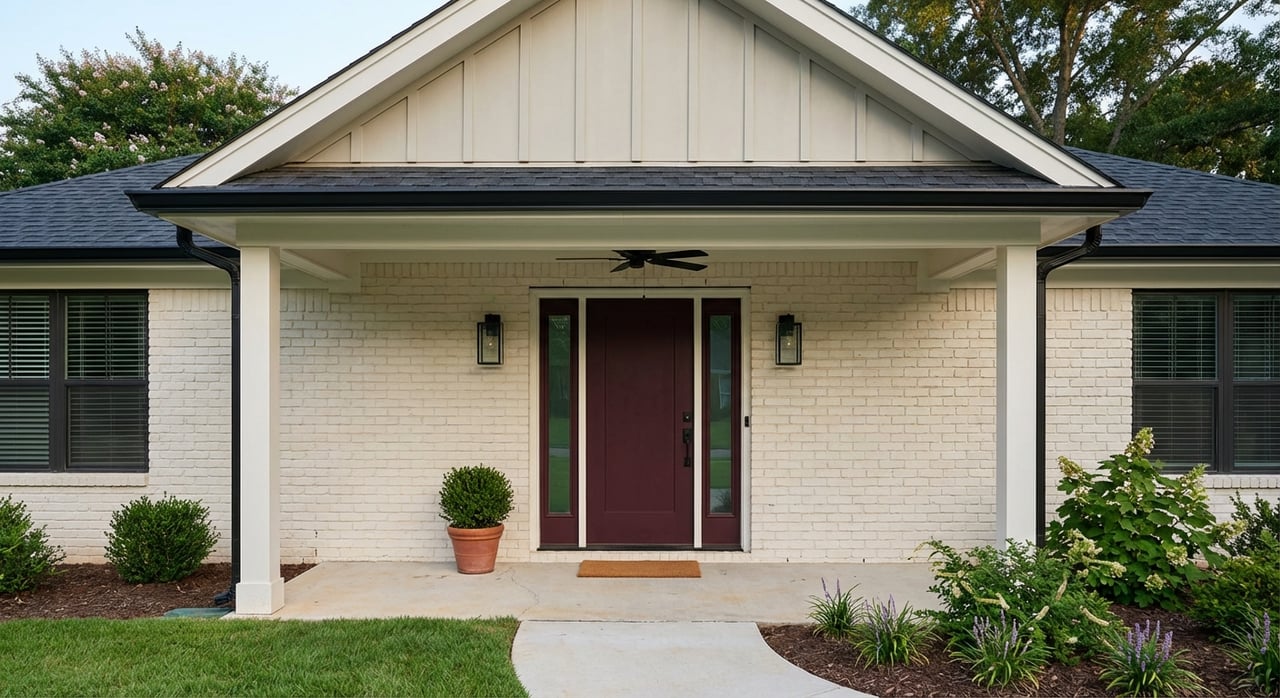
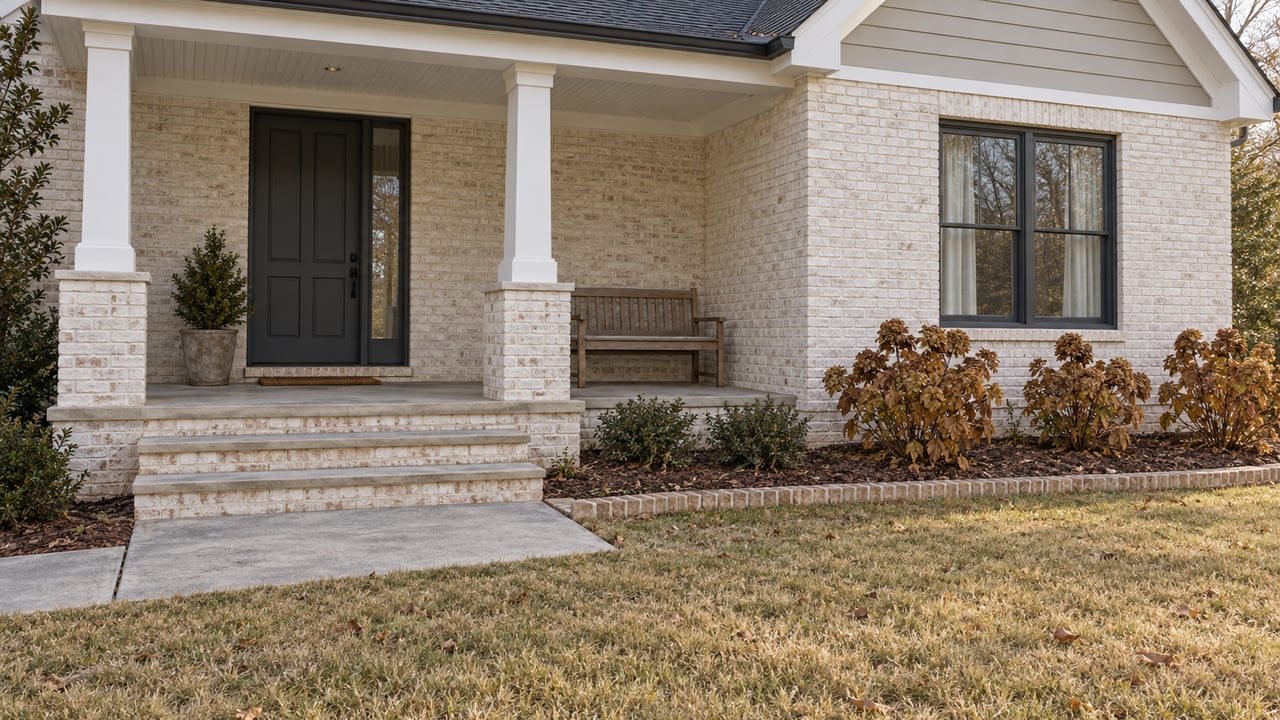
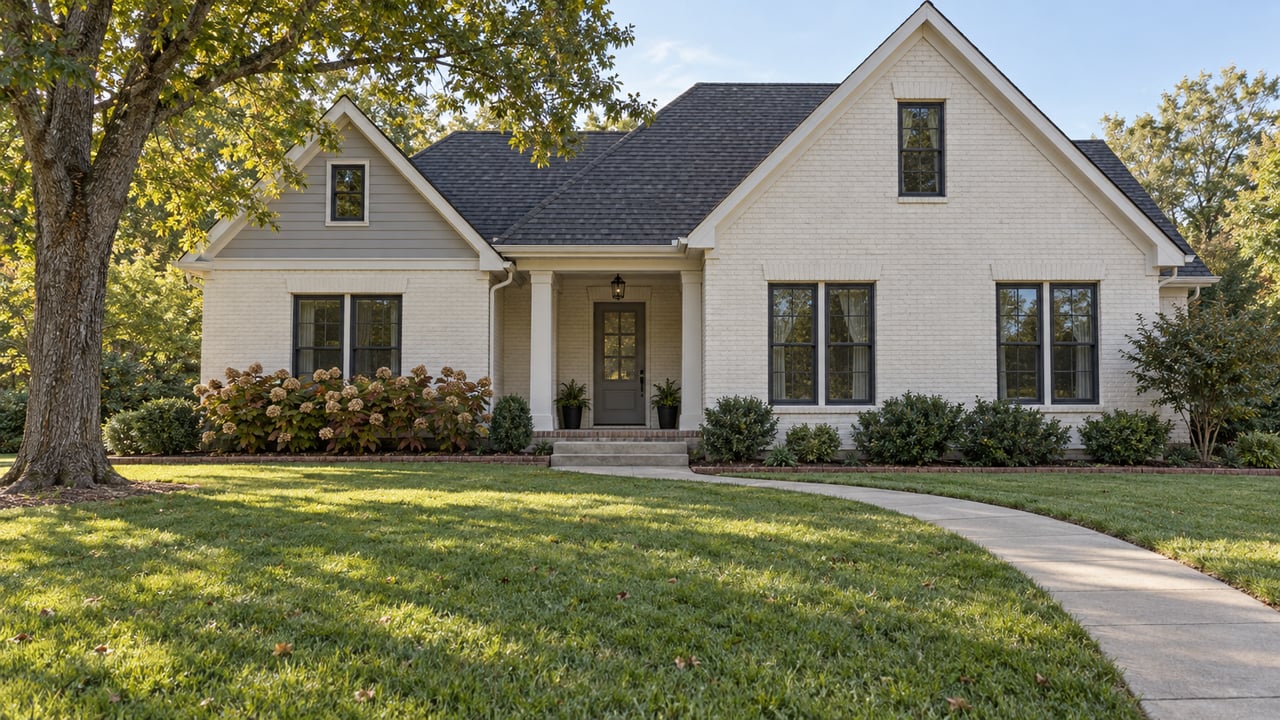
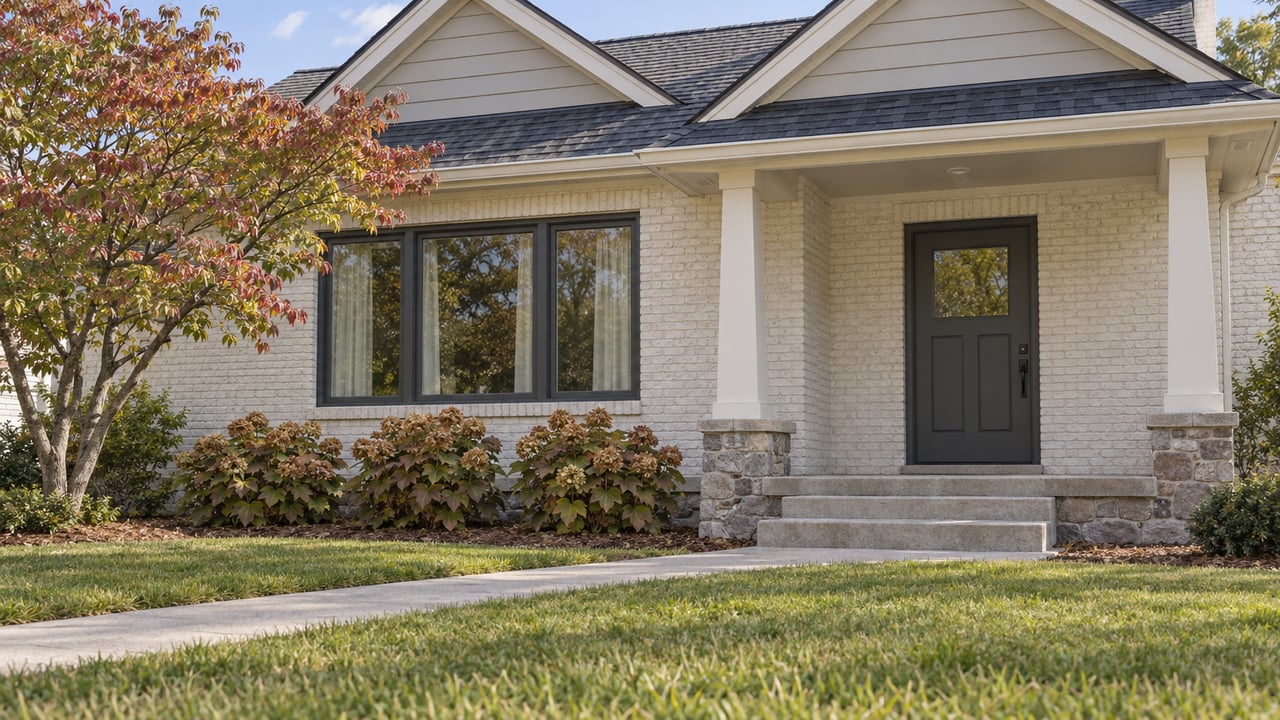
Thinking about reselling your nearly new Watkinsville home but unsure how to stand out next to builder inventory? You’re not alone. Buyers have more choices today, and many compare resale to new construction line by line. The good news: with a focused plan, you can highlight what makes your home special, price with confidence, and move on your timeline.
In this guide, you’ll learn which documents to pull, which updates matter most, the best 4-week prep plan, and how to position your home against nearby new builds. Let’s dive in.
What Watkinsville buyers want now
Watkinsville and Oconee County attract many move-up buyers who value convenience to Athens and established neighborhoods. Buyers often ask about school zones and commute times. Recent local coverage noted Oconee County high schools received top recognition for 2025–2026, which many buyers keep in mind as they shop. See the report on local school recognition from WUGA.
Amenities also carry weight. If your property offers proximity to community features like clubhouse, pool, or golf, highlight those details. For example, information about community amenities at places like Jennings Mill is available through Explore Georgia’s listing. Keep your language neutral and factual, and stay specific about what a buyer will enjoy day to day.
Market-wise, local prices generally sit in the mid-to-high six-figure range, with more inventory and longer days on market than during the 2021–2022 peaks. That means the most successful listings are move-in ready and priced with today’s competition in mind.
Gather your new-build paperwork early
A polished, complete document set helps buyers compare your home to builder inventory and reduces friction later. Start here:
- Builder and upgrade records. Collect your floor plan, options list, design-center choices, and receipts. If possible, combine everything into one PDF binder. Buyers want proof of the upgrades they see.
- New-home warranty details. Many new homes carry a 1-2-10 structure that covers workmanship, systems, and structural items. Confirm transfer rules and any fees, then share a simple one-page “warranty facts” summary. Learn how these programs work at 2-10 Home Buyers Warranty.
- HOA resale packet. Order the association’s resale certificate early. It often includes budgets, rules, estoppel statements, and any pending violations. For Georgia sellers, state statutes outline association and condominium disclosures. You can review the relevant code sections here: Georgia Code Title 44.
- Property tax and permits. Pull the Oconee County property record and tax statements so you can share current tax information. Start with the county’s Property Appraisal office. If your property sits inside a municipality, verify the current millage. The Board of Tax Assessors posts contacts and notices.
Inspections and maintenance to handle now
Getting ahead of common buyer concerns builds trust and can shorten negotiations.
- Pre-listing inspection. A focused systems check of roof, HVAC, plumbing, and foundation can surface small issues you can fix fast. Industry guidance shows pre-list inspections reduce surprises and keep deals on track. See the benefits outlined by Inspection Support Network.
- Termite/WDI letter. Georgia is termite-prone. Many transactions, especially those involving certain loan types, expect a current WDI letter. Order this early so it never holds up closing.
- Energy documentation. If your home has a HERS score, smart thermostats, efficient systems, or solar, gather verification and recent utility bills. Buyers value documented performance. Learn why third-party energy ratings matter from Pathlight.
A 4-week prep plan that works
Most well-kept recent builds can be market-ready in about a month. Here’s a straightforward plan.
Week 0: Plan and hire
- Interview and hire a local listing agent with experience against new-construction competition.
- Request a current CMA plus a check of nearby builder inventory and incentives.
- If desired, schedule a pre-list inspection to reduce last-minute negotiations. See pre-list benefits from Inspection Support Network.
Week 1: Clear, fix, document
- Start decluttering and pack non-essentials.
- Collect builder docs, warranty transfer info, 12 months of utility bills, service records, and order the HOA resale packet.
- Begin any minor repairs that a buyer will notice first.
Week 2: Repairs and curb appeal
- Knock out paint touch-ups, recaulking, door adjustments, and hardware fixes.
- Change HVAC filters and schedule a tune-up if due.
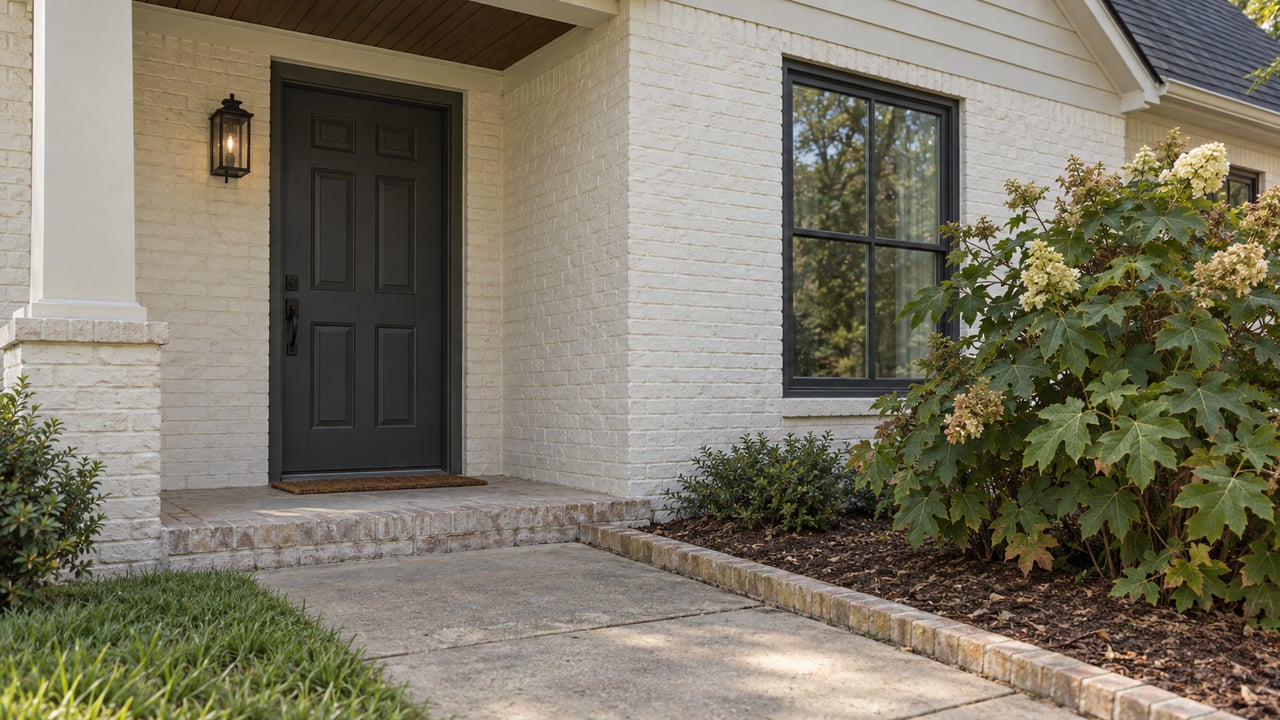
- Refresh landscaping: prune, edge, mulch, pressure wash, and tidy the entry.
Week 3: Deep clean, stage, and shoot
- Book a professional deep clean.
- De-personalize and stage key rooms: living room, kitchen, and primary suite.
- Order pro photography and a simple floor plan or virtual tour. NAR reporting notes staging helps homes sell faster and can lead to higher offers. Review the insights from NAR’s staging coverage.
Week 4: Launch and learn
- Go live and host an open house or broker preview.
- Monitor early feedback to adjust pricing or marketing copy.
- If a builder nearby is promoting incentives, address that head-on in your listing remarks and flyer.
Smart updates that pay back
Focus on high-visibility, cost-effective improvements before you consider bigger projects.
- Cosmetic refresh. Neutral interior paint, updated cabinet pulls, refreshed lighting, and spotless surfaces go a long way. Staging is a low-cost lever with strong impact.
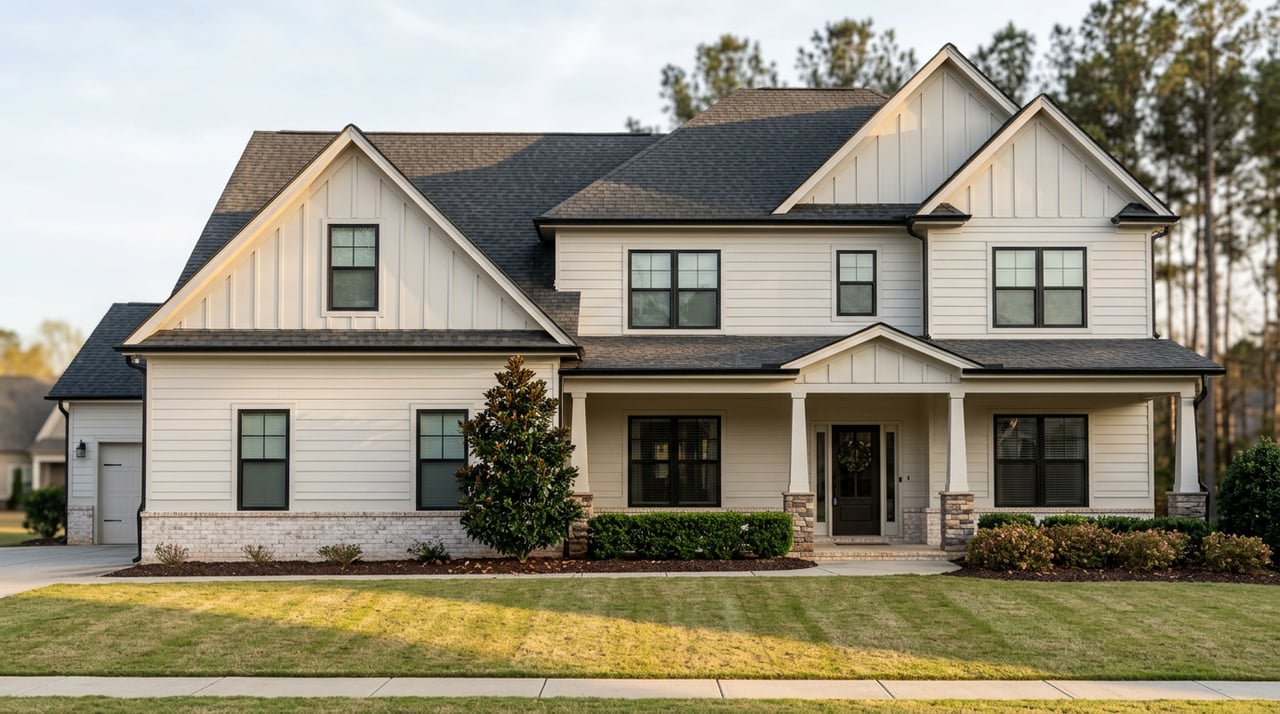
- Curb appeal. Trim, mulch, pressure wash, and consider a front-door or garage-door refresh. National Cost vs Value research consistently places small exterior updates among top ROI projects.
- Systems and service. Buyers of newer homes expect recent tune-ups. Provide receipts for HVAC service, water heater maintenance, and roof checks. It signals a well-cared-for home.
- Minor kitchen refresh. If cabinets are scuffed, a fast paint or hardware update may be enough. In a recent-build home, a full remodel is rarely necessary to achieve market-ready appeal. For a high-level take on ROI trends, review Cost vs Value recaps like this 2025 summary from HomeSMP.
Highlight energy savings the right way
If you have energy certifications or efficient systems, showcase them clearly and accurately.
- Gather documentation. Provide any HERS or ENERGY STAR documents and a simple summary of average monthly utilities. Third-party validation helps buyers quantify what they gain each month. See why ratings matter at Pathlight.
- Be careful with tax credits. Federal energy-related credits were time-limited. Do not advertise federal credits as available for improvements placed in service after December 31, 2025 unless laws change. For current guidance, see the IRS instructions for Form 5695: IRS Form 5695 instructions. Encourage buyers to consult a tax professional.
Compete with builder incentives
New-home communities often offer closing-cost help, rate buydowns, or appliance packages. You can stay competitive without chasing every discount.
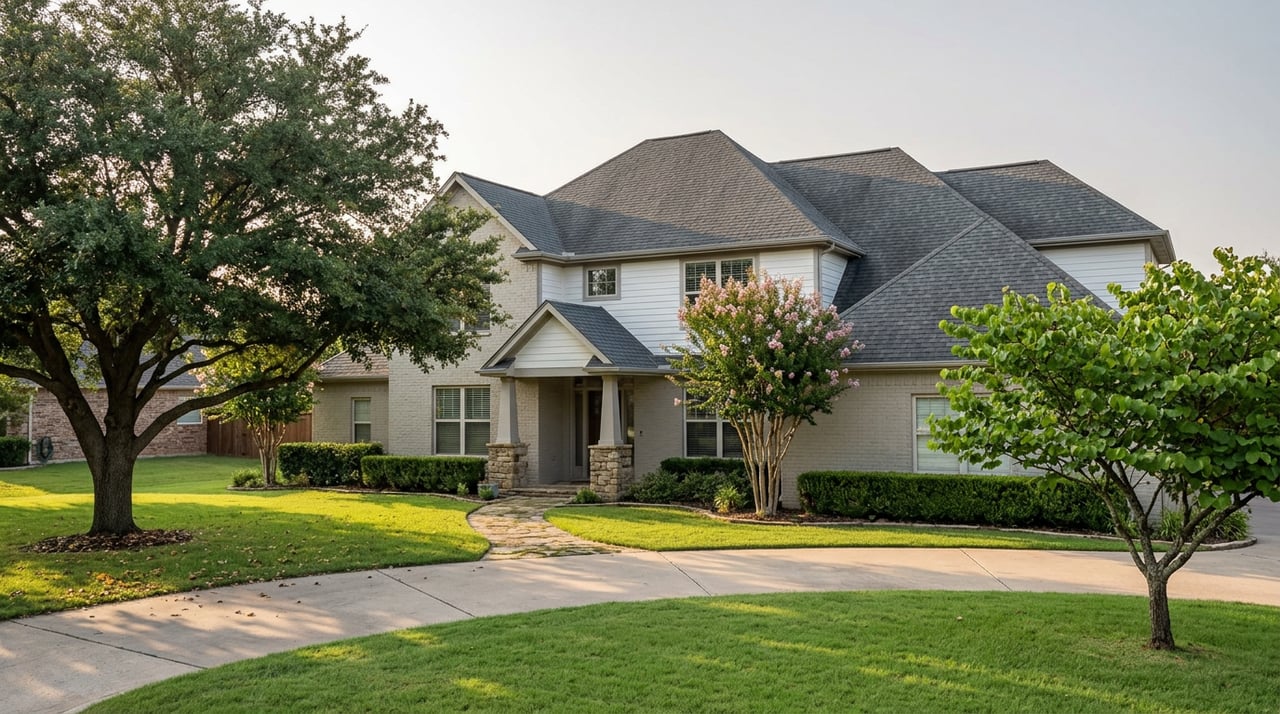
- Lead with your built-in advantages. Buyers value immediate occupancy, established lot grading, fences, and mature landscaping that take years to replicate. Custom touches like upgraded lighting or built-ins are hard to match in a base builder package, so document them with receipts.
- Offer attractive, simple terms. Flexible closing windows, a modest closing credit, or a transferable home warranty can deliver real value to buyers comparing monthly cash outlays.
- Educate buyers with an apples-to-apples comparison. Show total cost, not just list price: lot size, landscaping, included appliances, HOA dues, estimated utilities, and warranty terms. For background on common builder incentives, see this overview from NewHomeSource.
Pricing and launch strategy
In a market with rising inventory, the first 10 to 14 days are critical. Your goal is to price where serious buyers feel urgency, not hesitation.
- Anchor to local comps and active builder inventory. Your agent should prepare a CMA plus a check of nearby spec homes and incentives so you can price to attract early showings.
- Watch the feedback. If buyers compare your home to a nearby model that includes certain incentives, update your remarks and flyers to highlight your home’s move-in date, lot advantages, and what your price already includes.
- Keep paperwork front and center. Place the warranty-facts sheet, HOA resale certificate status, utility summary, and service records in the listing docs. Reducing uncertainty can protect your price.
Quick prep checklist
Use this to keep your sale on track.
Ready to list with confidence?
If you want a clear, local plan to price right and compete with nearby builders, we’re here to help. Our team understands new-home dynamics and how to position a newer resale to win. Start by requesting a no-pressure pricing review and a side-by-side comparison against active builder offerings. Connect with Platinum Key Realty of Georgia to get your free home valuation and a tailored launch plan for your Watkinsville sale.
FAQs
Should I get a pre-listing inspection for a newer Watkinsville home?
- Yes, a targeted pre-list inspection often shortens negotiations and prevents last-minute credits. Industry guidance highlights fewer surprises and smoother closings when you address issues upfront. See the benefits from Inspection Support Network.
What parts of my builder warranty can transfer to the buyer?
- Many new-home warranties use a 1-2-10 format and often allow transfer, sometimes with a fee. Confirm the provider’s rules and include a one-page “warranty facts” sheet in your listing. Learn more at 2-10 Home Buyers Warranty.
Do I need to order an HOA resale packet in Oconee County?
- Yes, it is customary. Order early to avoid delays and verify dues, rules, violations, and budgets. For Georgia disclosure context, review Title 44 of the Georgia Code.
How can I compete with nearby builder incentives when I list?
- Offer buyer-friendly terms like flexible timing or a modest closing credit and highlight advantages builders cannot match, such as immediate occupancy and mature landscaping. For context on builder incentives, see NewHomeSource’s overview.
Can I advertise federal energy tax credits with my listing?
- Do not promise credits for improvements placed in service after December 31, 2025 unless laws change. Reference your prior credits accurately and direct buyers to current IRS guidance. See the IRS instructions for Form 5695.