
Is a Move From Atlanta to Monroe the Right Fit for You?
Craving more space and a quieter pace than Atlanta, but not sure what you’d be trading for it? If Monroe in Walton County is on your radar, you’re asking the right question. Moving farther out can mean more home for your budget, different commute dynamics, and a small‑town lifestyle that may or may not match your priorities. This guide breaks down housing options, commute realities, everyday amenities, and a practical decision checklist so you can decide with confidence. Let’s dive in.
Monroe is the county seat of Walton County within the greater Atlanta metro. It has a smaller, suburban‑to‑small‑town feel compared with Atlanta’s core neighborhoods. For current population, age, and household data, you can review the U.S. Census QuickFacts for Monroe city and Walton County to ground your comparison in local numbers. You can explore those details in the U.S. Census QuickFacts resource for the area.
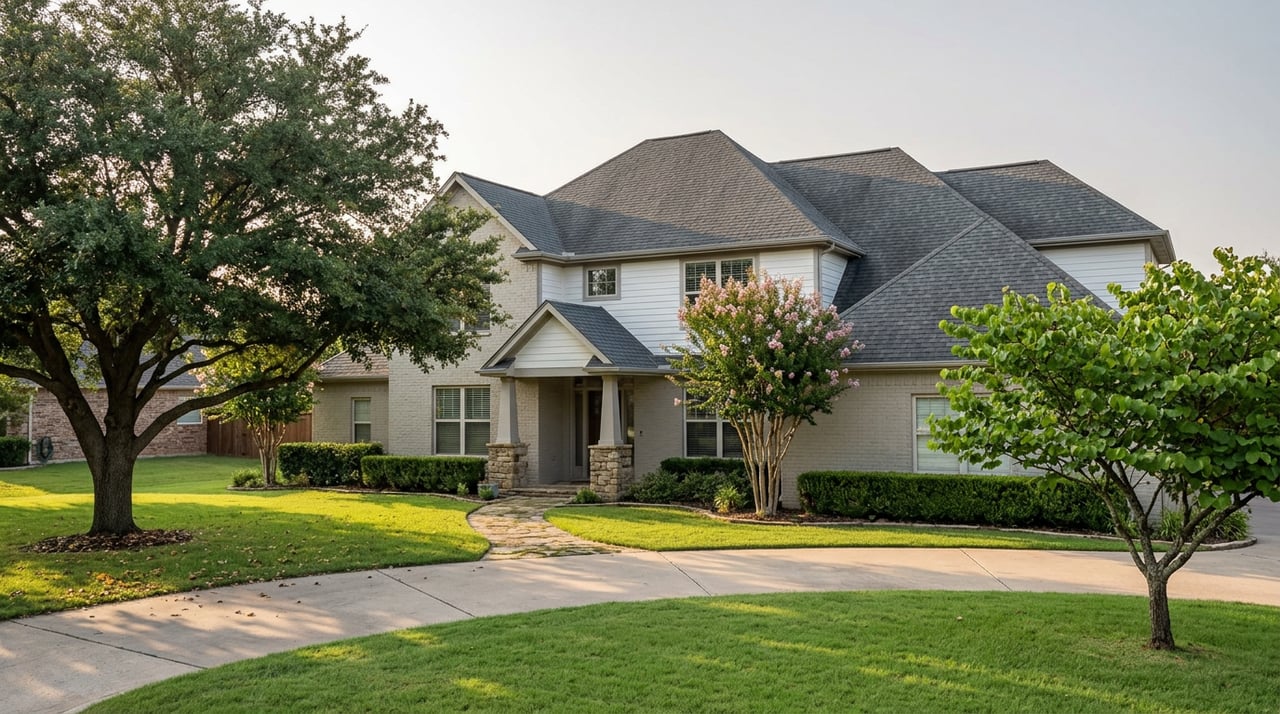
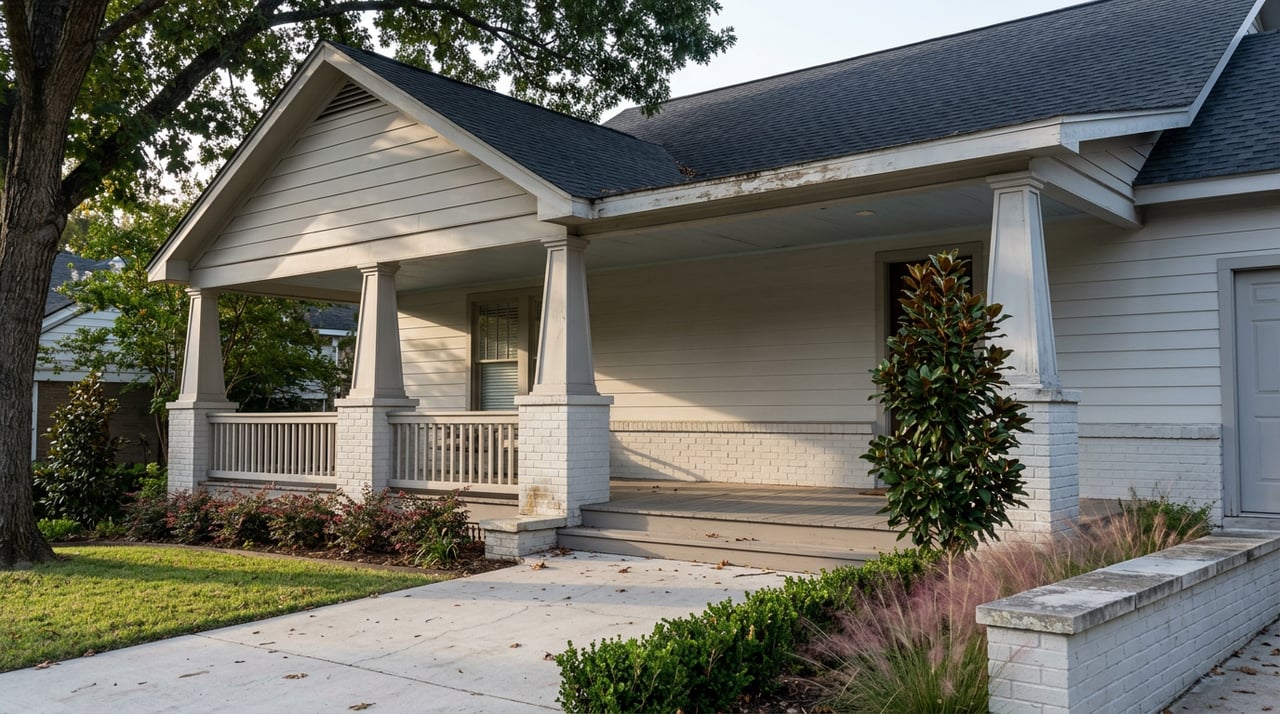
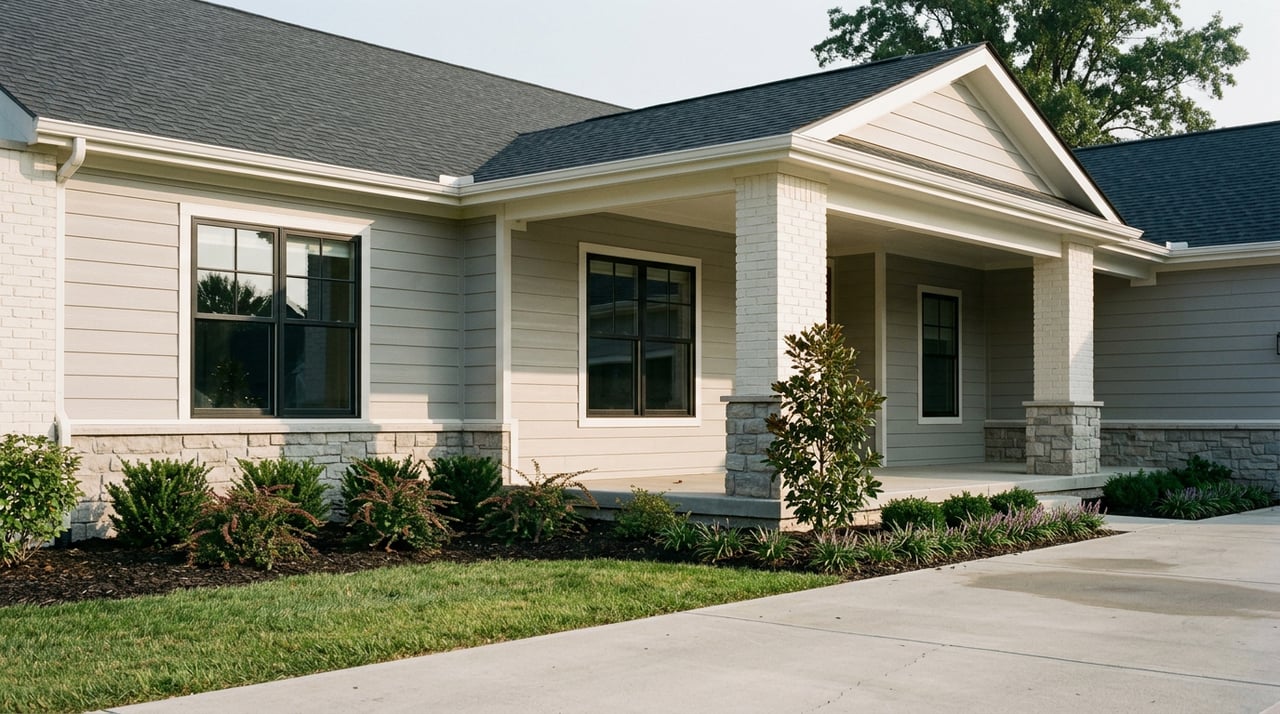
Monroe offers a range of home types that look different from many intown Atlanta neighborhoods. You’ll find:
Many buyers choose Monroe for more space at a lower price per square foot. Many single‑family homes in and near Monroe are frequently priced in the low‑to‑mid hundreds of thousands, with newer or larger homes and properties on acreage rising above that range. Exact prices move quickly, and inventory in Monroe is smaller than in core Atlanta areas, so desirable listings can move fast when supply is tight. To stay grounded in reality, check current listings and live data, and compare by property type, lot size, and update level.
Your monthly cost is about more than purchase price. Walton County property tax rates and millage vary by city and district, which can change your budget from one neighborhood to another. Review county tax resources and assessed values through the Walton County government site. If you’re comparing subdivisions, weigh HOA dues against the amenities you will use. For older homes or acreage, review floodplain maps and insurance requirements so you can plan for long‑term costs.
Older historic homes may need system updates like HVAC, roofing, or plumbing, so plan for thorough inspections and a renovation reserve. Resale in Monroe tends to track with school zones, commute options, and neighborhood amenities. Many buyers trade up to Monroe for more land or newer construction, so thinking about your future buyer can help you choose the right location and features today.
Moving from Atlanta to Monroe often means a different commute rhythm. The drive to central Atlanta can range from roughly 40 minutes to well over an hour one way depending on your endpoints and time of day. Peak congestion along major corridors can add time, especially during traditional rush hours. If commuting is a big factor for your household, plan a few time‑drives during your normal schedule to test your tolerance for daily travel.
Public transit is limited compared with inner suburbs. MARTA rail and bus service do not extend to Monroe, and regional park‑and‑ride or express bus options in this corridor are limited compared with counties like Gwinnett or Cobb. Most households rely on private vehicles, and two‑car households are common. Hybrid or remote work can make Monroe more attractive if you do not need to drive to Atlanta every day.
For the medium term, keep an eye on planned road projects and regional transportation updates. The Atlanta Regional Commission provides helpful regional context on travel patterns, while the Georgia Department of Transportation publishes details on state projects, widening, and improvements that can influence commute times over time.
Most Monroe addresses are served by the Walton County School District. If schools are part of your decision, review official performance data and report cards and confirm current attendance zones, since boundaries can change as communities grow.
Use objective sources and verify details for any school you are considering, since indicators vary by campus and year.
Piedmont Walton Hospital provides local emergency and inpatient care in Monroe. For specialized or tertiary services, many residents visit larger hospitals elsewhere in the metro. It can be smart to map your most used providers and estimate drive times to routine and specialty care so you know what everyday access will look like.
Downtown Monroe centers on a historic square with shops, restaurants, and community events. Grocery and big‑box retail are available in and around town, though some residents drive to nearby suburbs for wider selection. If you prefer local charm over late‑night options, the vibe can be a good fit. If you prefer large entertainment venues and a broad dining scene, plan for occasional trips into other parts of the metro.
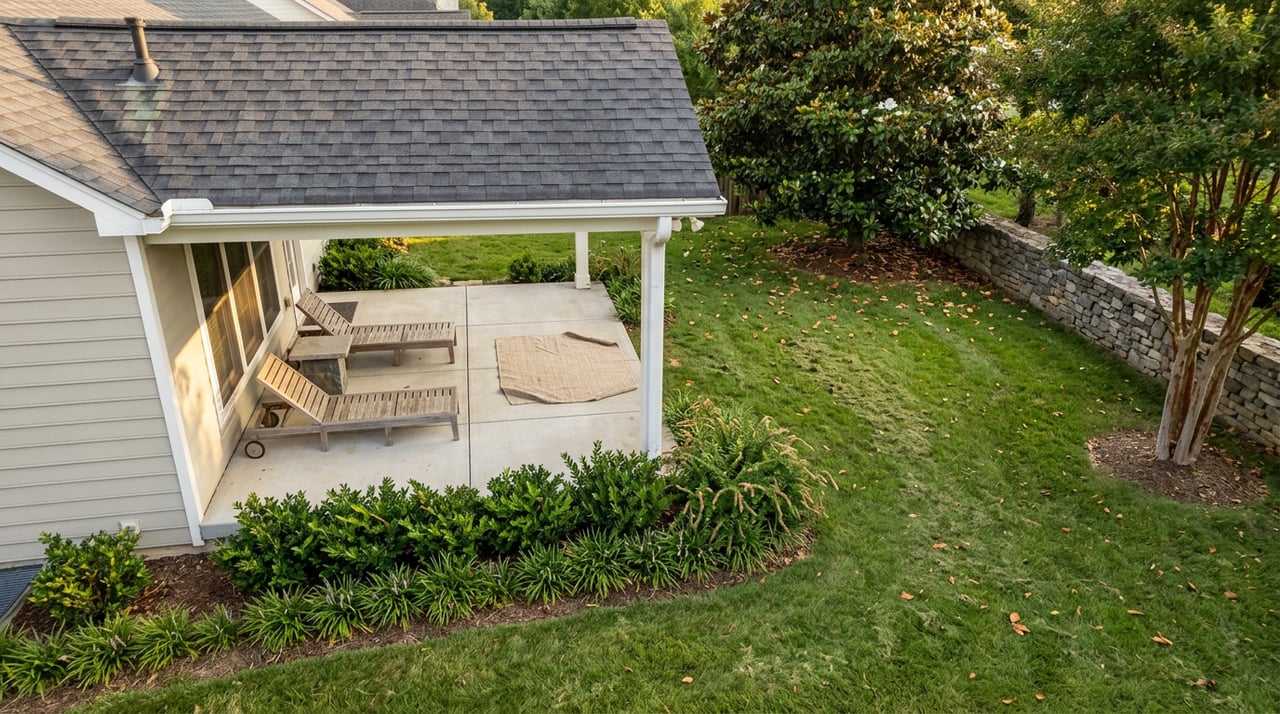
You’ll find local parks, trails, and recreation programming through city and county departments, plus easy access to rural landscapes for hiking and fishing. If a yard, outdoor living, or weekend acreage are priorities, Monroe’s setting can be appealing. For the latest facilities and programs, check Walton County and city recreation pages.
Crime patterns vary by neighborhood and even by block. Review official reports and consider both violent and property crime rates per 1,000 residents to get context. If safety is a priority for you, visit at different times of day, speak with local authorities, and compare year‑over‑year trends.
Every move involves trade‑offs. Thinking through them in advance will help you choose with clarity.
Use this quick list to test fit before you commit:
If Monroe feels like a match, the next step is seeing the right homes in the right neighborhoods. Our team is based in Monroe and supports both new‑home community sales and traditional buyer and seller representation. We can help you compare subdivisions with amenities, tour new construction, evaluate acreage opportunities, and align your choice with commute, school zone, and long‑term goals. Ready for a clearer picture of your options? Reach out to Platinum Key Realty of Georgia to start a focused, local plan.





We pledge to be in constant communication with our clients, keeping them fully informed throughout the entire buying or selling process. We believe that if you’re not left with an amazing experience, we haven’t done our job. We don’t measure success through achievements or awards, but through the satisfaction of our clients.

Platinum Key Realty of Georgia
1677 Highway 78 Monroe GA 30655