
Understanding the Atlanta Outer Suburbs Market
Thinking about moving past the Perimeter for more space or newer construction? You are not alone. Many Fulton County buyers look beyond I-285 for value, amenities, and a fresh start, but the outer-suburb market runs on different rules. In this guide, you will learn how corridors shape prices and commutes, how builder release cycles affect inventory and incentives, and how to time your move with confidence. Let’s dive in.
In Atlanta, “outer suburbs” generally means communities outside I-285 along the major spoke highways. You will find distinct market behavior along GA-400 to the north, I-85 and GA-316 to the northeast, I-20 to the east and west, and I-75 on the west and southwest. Instead of county lines, think in corridors because prices, inventory, and commute patterns change fast from one exit to the next.
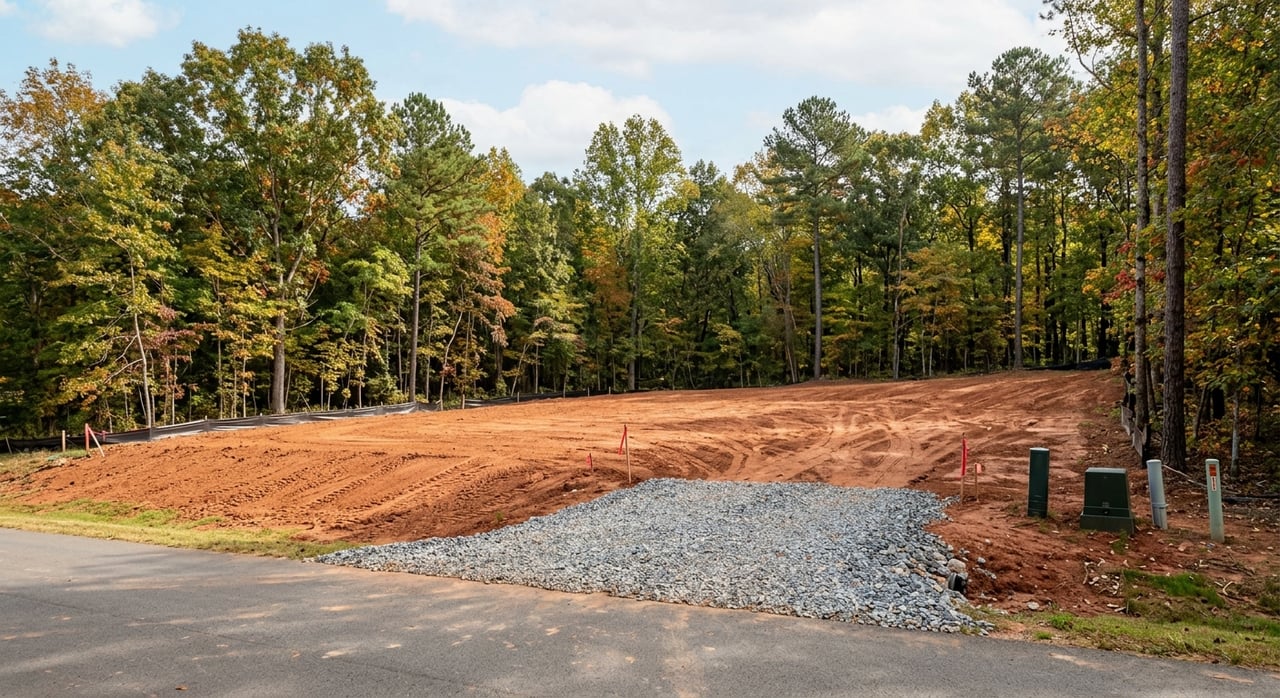
Much of the supply outside the Perimeter is concentrated in master-planned communities and builder-led developments. That means inventory often arrives in phases rather than as scattered individual listings. When a phase opens, you see a burst of homes. Between phases, choices can tighten until the next release.
This corridor includes Alpharetta and Johns Creek in north Fulton and extends into Forsyth and Cherokee. You will see newer communities, mixed-use hubs, and a wide range of single-family homes. Demand is often anchored by local employment nodes and established community amenities.
Along I-85 and GA-316 through Gwinnett and beyond, you will find a mix of entry-level and move-up single-family homes and townhomes. New construction is common, and many buyers commute to Buckhead, Midtown, or Downtown from this corridor. Commute length varies with peak traffic and proximity to express options.
East of the city toward Rockdale and Henry, you will find more affordable single-family options and earlier-generation suburbs alongside new subdivisions where land costs are favorable. Builder interest is rising in select pockets, and infill or redevelopment can create local value opportunities.
To the west and southwest, you will find a blend of older homes, renovations, and new subdivisions at the edges. Interchanges near I-285 and freight corridors influence traffic and local desirability. Micro-markets can change quickly as new phases launch or infrastructure projects progress.
Driving is the primary mode for most Atlanta-area residents, and average commutes across the metro land around 30 minutes according to federal survey data. Peak-period conditions matter more than straight-line distance. A suburb 20 miles out on a direct interstate can commute faster than a closer area linked by surface roads.
Transit access varies by corridor. MARTA rail serves core routes but does not reach many outer-suburb communities. Park-and-ride and county express buses can help in certain locations, and access to express or managed lanes can improve daily predictability. These features also affect resale demand for buyers who will continue commuting.
Practical tip: test your drive at your actual work hours. Note bottlenecks at key interchanges, check whether express lanes or carpool options are nearby, and factor construction timelines. Regional improvements and interchange rebuilds can change travel times over several years, so it is smart to keep an eye on project plans.
Outer-suburb inventory is often builder-driven. Large subdivisions are delivered in phases, with model homes leading the first release. Builders balance presales, which allow for customization and take longer, with spec homes that are move-in ready and priceable today. The mix affects your leverage.
Because a single phase can add many homes at once, absorption rates in these communities often move in bursts. When a phase is fresh and demand is strong, incentives and negotiation room tend to be limited. When spec inventory stacks up or seasonal traffic slows, you can often negotiate more.
Seasonality also matters. Spring typically brings the most releases and buyer activity. Late fall and winter tend to slow, which is when some builders lean into promotions to maintain sales cadence.
Incentives usually rise when absorption softens, mortgage rates jump, or builders are pushing to hit quarterly or year-end targets. You will often see the most flexibility on move-in-ready homes that a builder wants off the books.
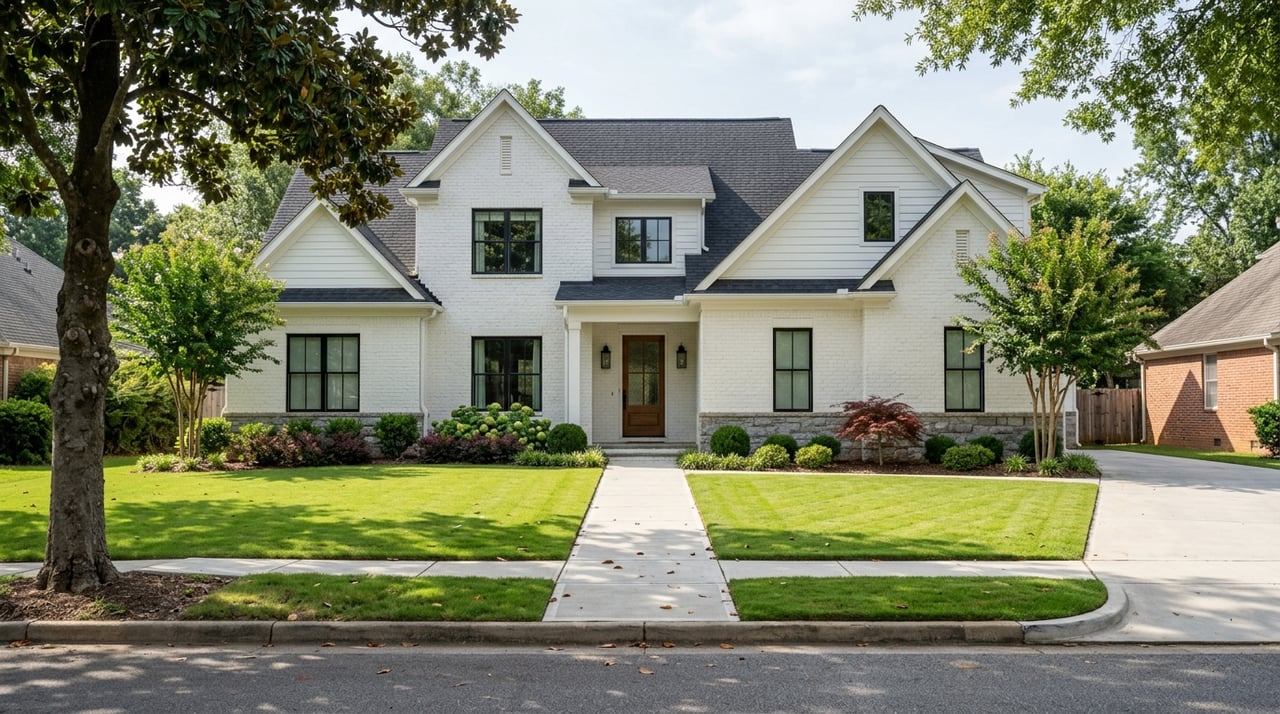
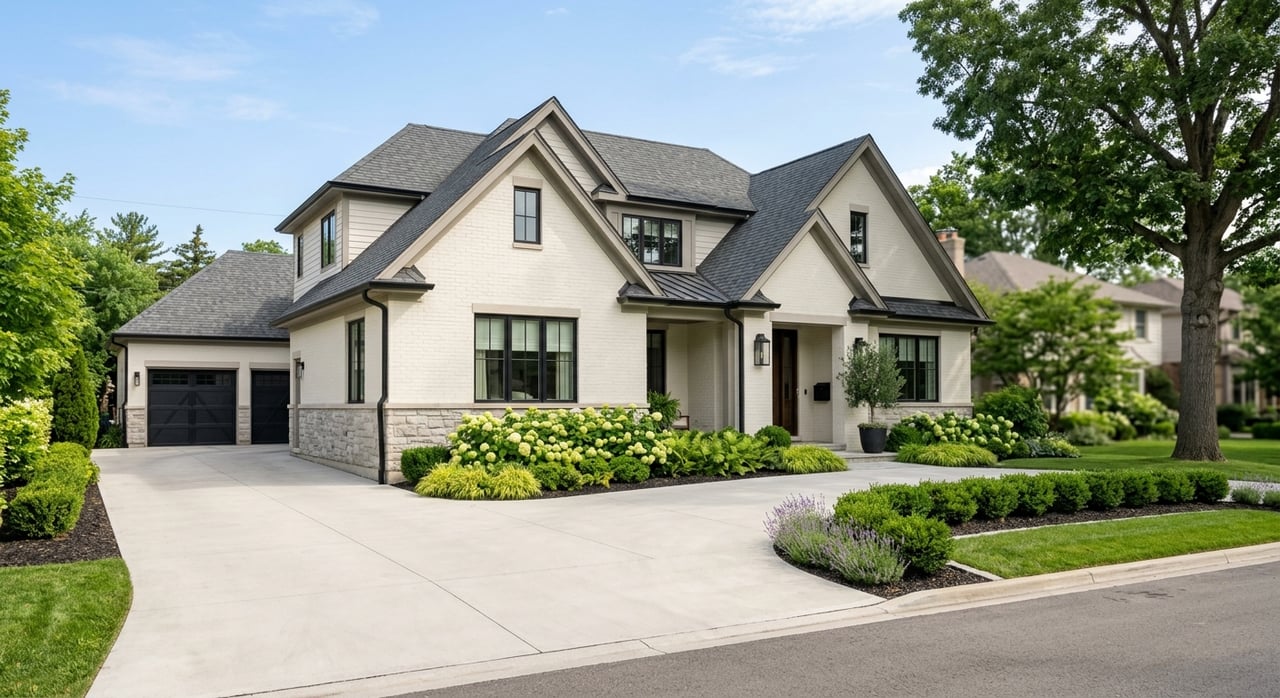
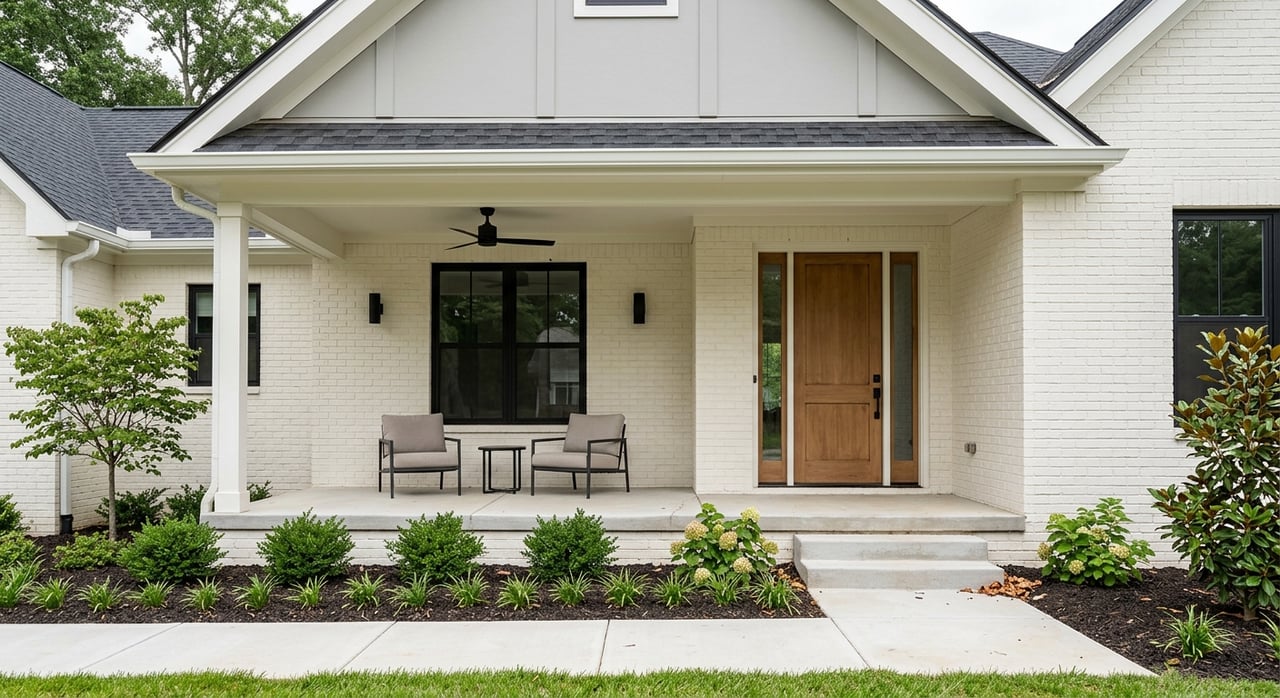
You will likely compare a new construction community with a handful of resale homes. New homes trade at a premium for fresh finishes, open layouts, energy features, and warranties. Resale homes can offer larger lots, established landscaping, and immediate neighborhood maturity. In faster-growing suburbs, resale inventory may be thin, which raises the importance of timing a new community’s release if you want options.
If a community is early in its sales cycle, the best lots are often in the first few phases. Later phases may bring more spec inventory, which can boost your negotiating leverage. Warranties, such as 1-2-10 structural coverage, are attractive for long-term peace of mind. If you buy new, note the warranty start date and whether it transfers to a future buyer.
Carrying costs vary by county and city. Fulton County has its own millage structure, and nearby counties like Gwinnett, Cobb, and Henry have different rates. Compare effective property taxes for each address you are considering and look at recent assessment trends.
HOAs are common in new communities. Fees typically cover shared amenities, landscaping of common areas, and sometimes exterior upkeep for attached products. Review architectural guidelines, rental rules, and any fee escalation clauses to understand how they affect your lifestyle and a future resale.
School district boundaries are a key part of many buyers’ decision-making. Always confirm current zoning and any planned boundary changes, since growth can prompt adjustments. Objective, published metrics and official district resources are your best reference points.
You deserve a clear plan that balances space, commute, budget, and timing. Our team is built for outer-suburb markets where builder phases, incentives, and corridor dynamics can make or break your outcome. We combine neighborhood insight with new-home sales expertise so you can act at the right moment, on the right home, with the right terms.
Ready to map your corridors, shortlist communities, and time your move? Reach out to the team at Platinum Key Realty of Georgia for a friendly consult and a step-by-step plan tailored to your goals.





We pledge to be in constant communication with our clients, keeping them fully informed throughout the entire buying or selling process. We believe that if you’re not left with an amazing experience, we haven’t done our job. We don’t measure success through achievements or awards, but through the satisfaction of our clients.

Platinum Key Realty of Georgia
1677 Highway 78 Monroe GA 30655