Top Energy-Efficient Home Features Buyers Want in Conyers
Is keeping your Conyers home cool and comfortable without spiking your power bill at the top of your wish list? You’re not alone. Many Rockdale County buyers now ask about energy-saving features right after kitchen finishes and bedroom count. In this guide, you’ll learn which energy-smart upgrades matter most in our warm, humid climate, how to spot them on a tour, how they can influence value, and where to look for local incentives. Let’s dive in.
Conyers sits in a warm-humid part of Georgia, so cooling and moisture control drive comfort and monthly costs. That means insulation, air sealing, efficient HVAC, and good ventilation do the heavy lifting. Newer builds and recent renovations often include these upgrades, while older homes may need a closer look at utility bills and inspection reports. When features are documented, buyers get clarity on operating costs and sellers often enjoy stronger interest.
A tight, well-insulated home shell lowers cooling demand and keeps humid air out. It’s also one of the hardest things to fix after the fact, so pay attention here.
In the attic, look for deep, even insulation and signs of careful air sealing around top plates, recessed lights, and penetrations. If ducts run through the attic, check that they are sealed and insulated. Ask for any past energy audit or blower-door test results that verify airtightness.
In homes with crawlspaces, look for a continuous vapor barrier and sealed vents or a fully encapsulated setup. This helps keep moisture in check and supports better indoor comfort. Ask for any permits or receipts if encapsulation work was done.
Double-pane windows with low-E coatings help reduce solar heat gain and keep rooms comfortable. Look for low-E labels or stamps on the glass edge or jamb, and check for fogging that signals a failed seal. If you see ENERGY STAR labels, you can learn more about ENERGY STAR windows and what the ratings mean.
Cooling is the biggest energy load in our area, so HVAC systems and controls are key.
Modern heat pumps and air conditioners with higher efficiency ratings use less energy and often control humidity better when properly sized and installed. Check model numbers and manufacture dates on outdoor units, and ask for service records. Look at the ductwork for tight, insulated connections and clean, well-supported runs.
Smart thermostats help you avoid wasted energy with schedules, remote control, and in some cases learning features. If you see one, ask the seller about existing schedules and how account transfer will work after closing. Explore what to expect from ENERGY STAR smart thermostats to understand potential savings and features.
Water heating is a steady monthly cost. Efficient equipment and appliances can trim it down.
Heat pump water heaters are a strong option in our climate and can cut electric water heating costs compared to standard tanks. Confirm model numbers and age, and ask about maintenance. Learn the basics from the DOE’s guide to heat pump water heaters.
LED bulbs use far less energy than incandescents and run cooler. They’re a simple upgrade to spot on tours. For kitchens and laundry rooms, look for ENERGY STAR certified appliances. If lighting looks mixed, it’s usually inexpensive to swap to LEDs; start with high-use areas. For a refresher, see DOE’s LED lighting basics.
In hot-humid Georgia, you want a plan that brings in fresh air without adding moisture. Some homes use whole-house ventilation systems or HVAC components that target humidity directly. Ask whether the home has mechanical ventilation or a dehumidification feature. The DOE’s residential ventilation guidance can help you understand what to look for and the benefits.
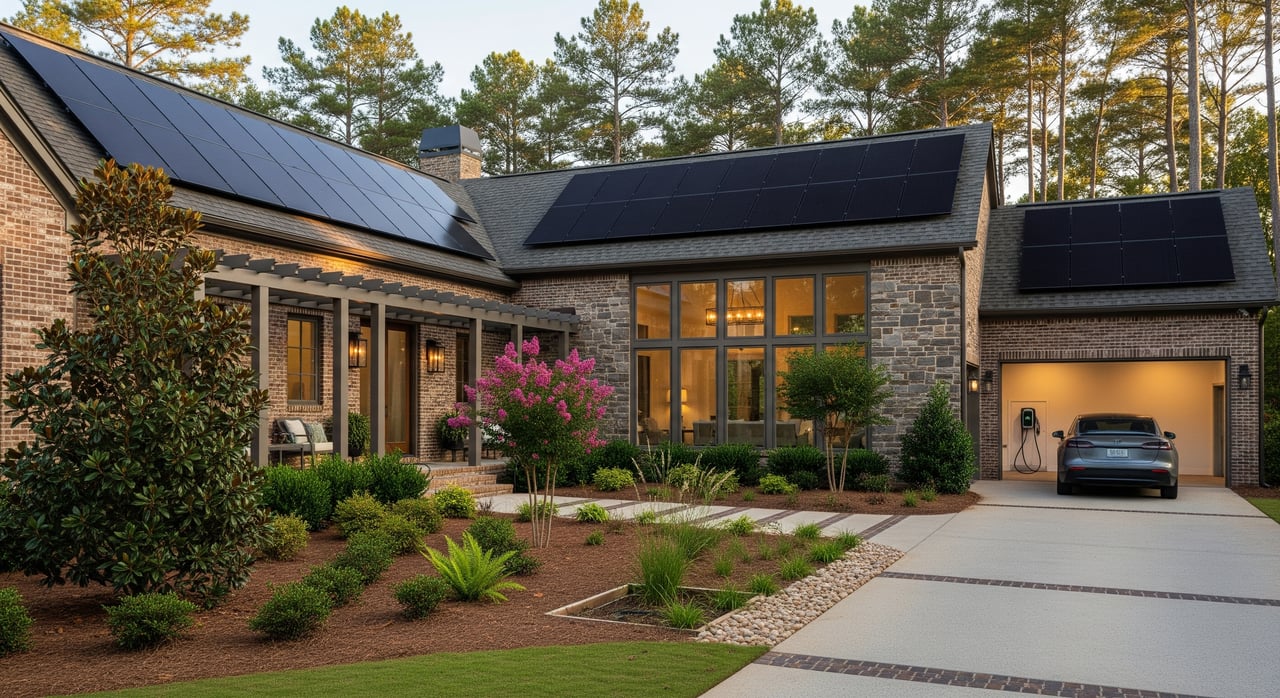
Owned solar panels can offset utility costs, and a Level 2 EV charger adds daily convenience.
More buyers now consider monthly operating costs alongside price and location. Documented efficiency can help a home stand out and may support stronger pricing or faster sales in competitive markets. The key is proof, not just claims.
Use this quick reference to stay organized on tours.
Documentation to request:
Visual checks to make:
Red flags to note:
Optional inspections:
You can often find rebates for heat pumps, smart thermostats, heat pump water heaters, and weatherization through utility and federal programs. Programs change, so confirm details before you buy or upgrade.
You want a home that feels cool and dry in July, warm enough in winter, and predictable on your power bill. In Conyers, that usually means a tight envelope, efficient HVAC, smart controls, and the right windows. Documented performance makes all the difference when you compare homes and plan future upgrades. If you keep this checklist in hand and ask for the right paperwork, you’ll be in a strong position to choose confidently.
Ready to tour energy-smart homes in Conyers and Rockdale County or prep your listing to showcase efficiency? Reach out to Platinum Key Realty of Georgia for local guidance, builder-savvy support, and a tailored plan. Request a free home valuation to start the conversation.



We pledge to be in constant communication with our clients, keeping them fully informed throughout the entire buying or selling process. We believe that if you’re not left with an amazing experience, we haven’t done our job. We don’t measure success through achievements or awards, but through the satisfaction of our clients.

Platinum Key Realty of Georgia
1677 Highway 78 Monroe GA 30655